








Spraying, conveying and filling
Application informationFilter
4 Variants
4 Variants
3 Variants
3 Variants
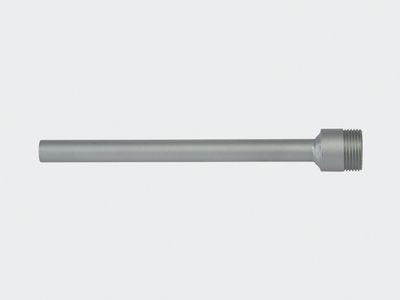
10 Variants
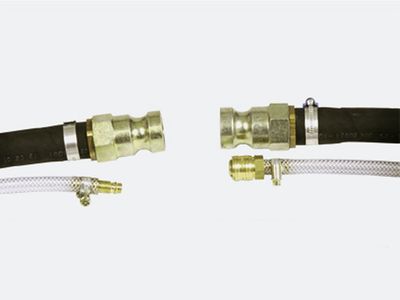
2 Variants
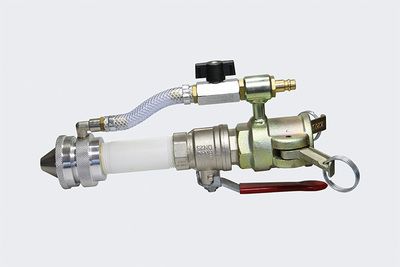
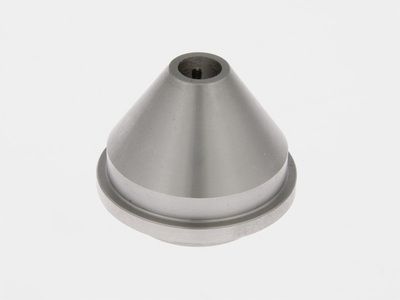
4 Variants
6 Variants

Spraying
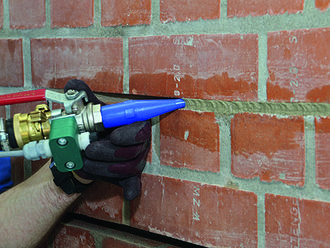
In the fields of building renovation, maintenance and restoration, various materials are injected, sprayed and filled in to ensure that the original structure is preserved and not compromised. To address the specific conditions of the masonry, there is a wide range of injection techniques and applications available. The selection of suitable accessories for your building project is correspondingly extensive.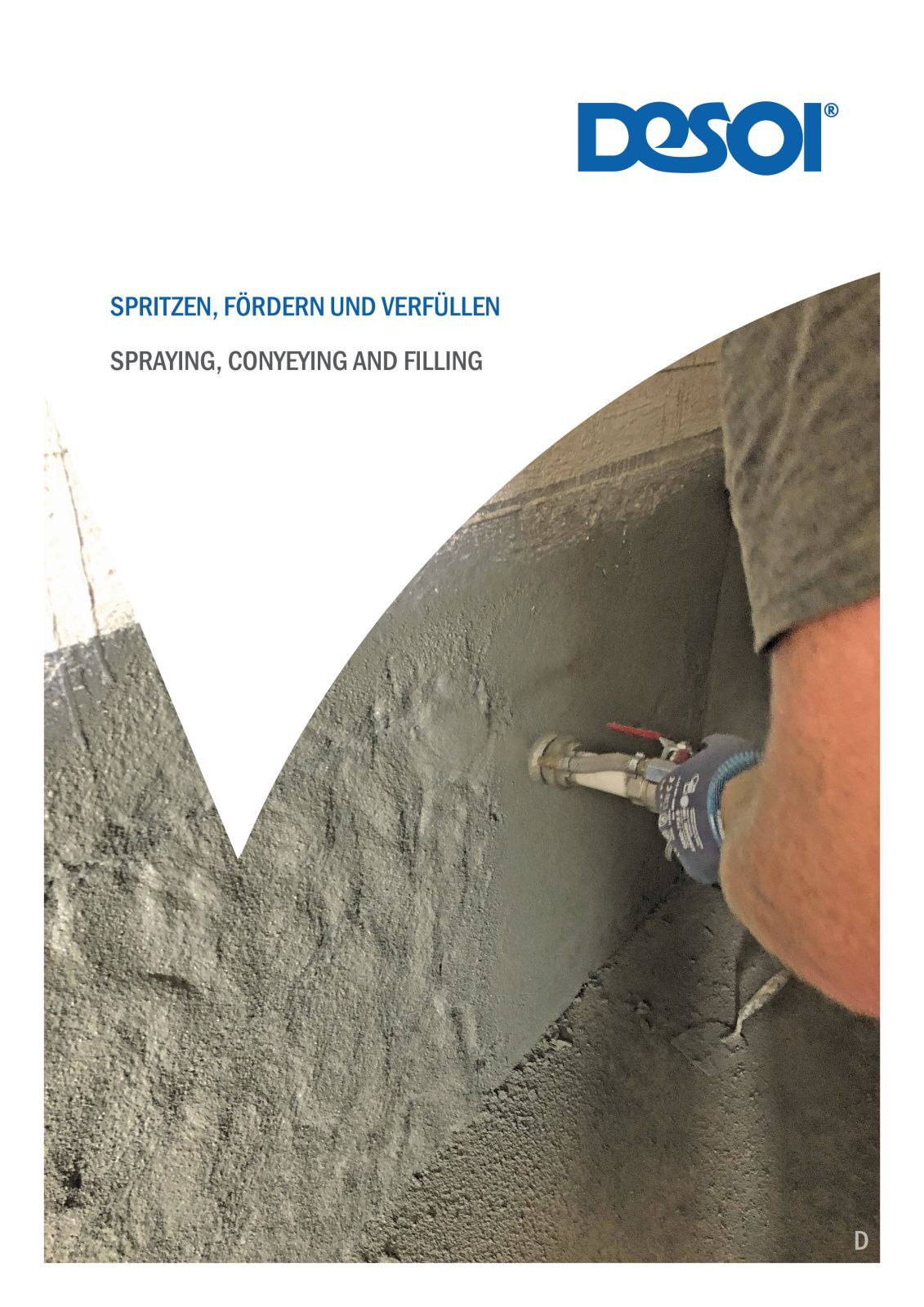
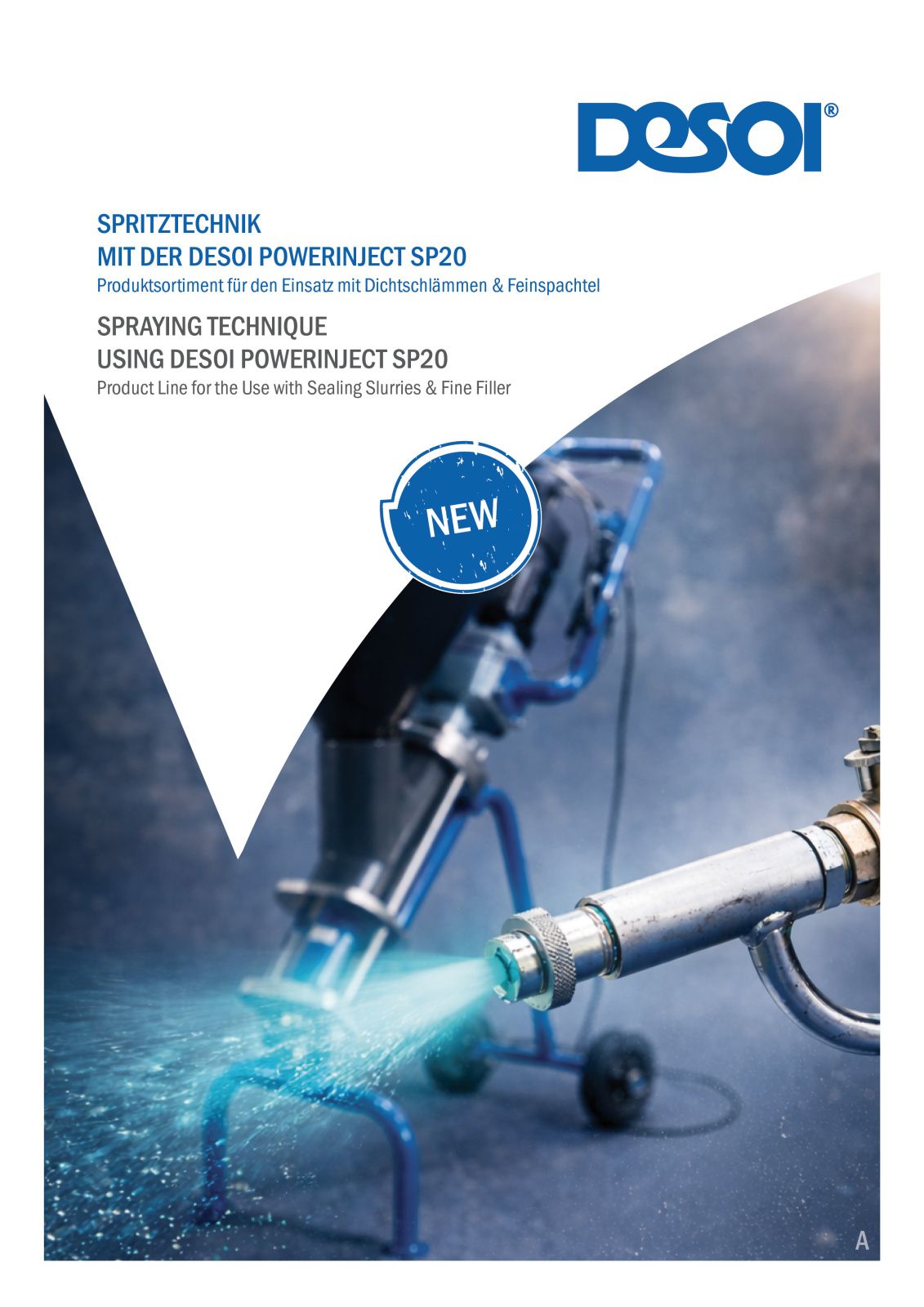
Spray technique
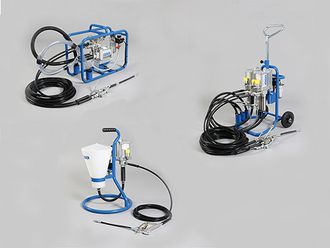
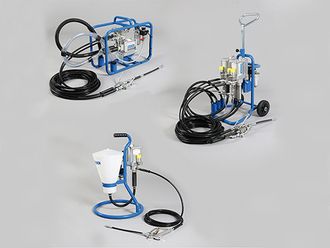
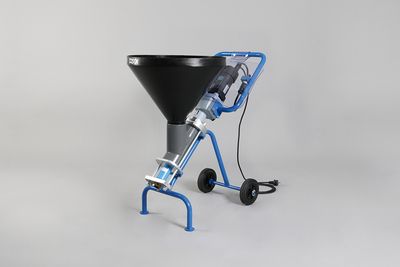
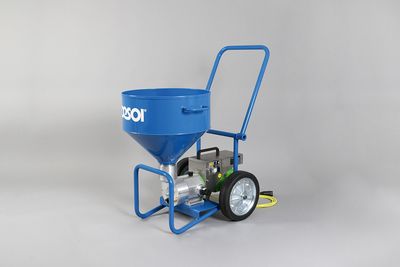
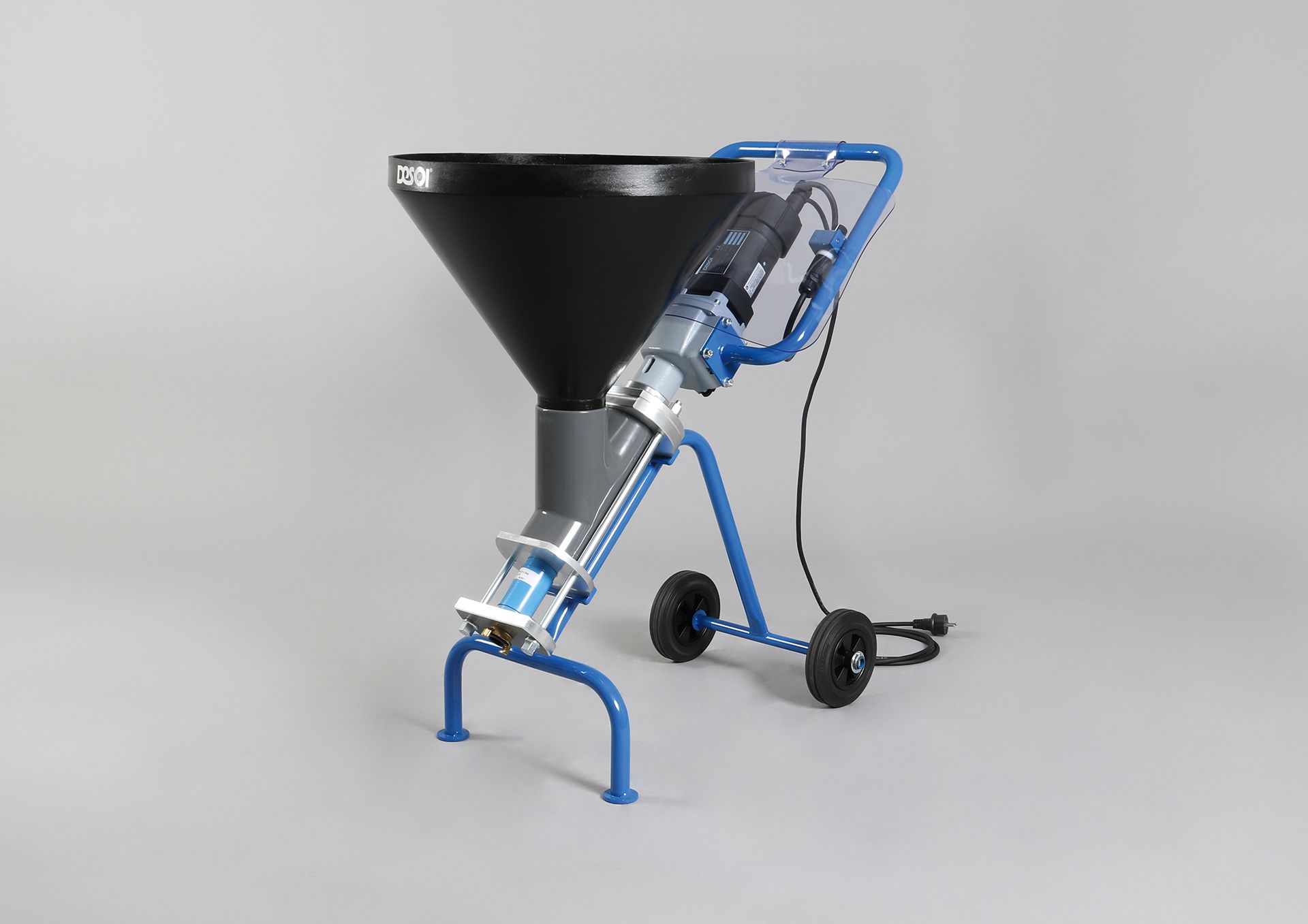
using DESOI PowerInject SP20
Product Line for the Use with Sealing Slurries & Fine Filler
open PDF
using DESOI PowerInject SP20
Product Line for the Use with Sealing Slurries & Fine Filler
open PDF
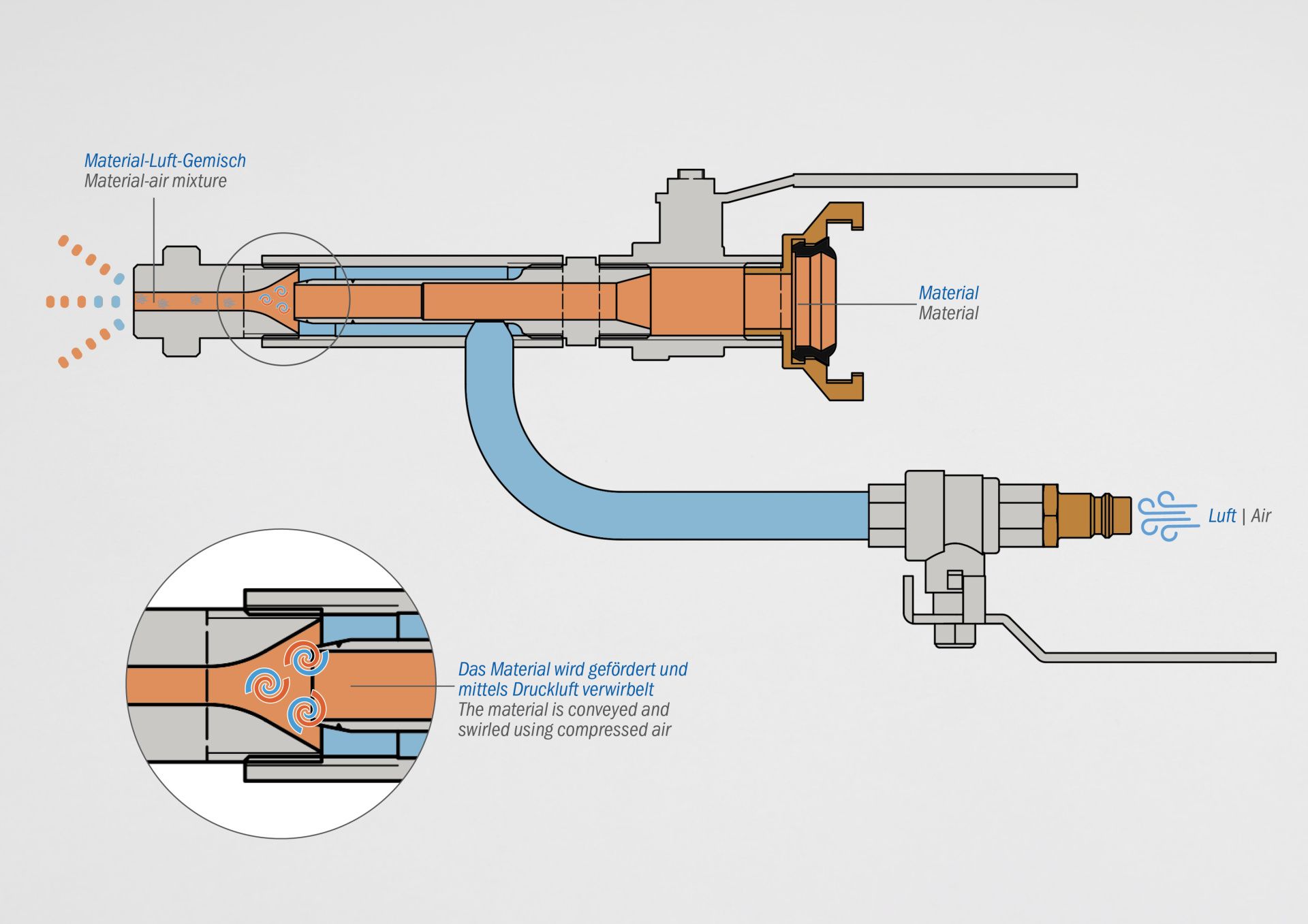
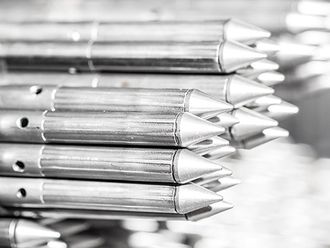
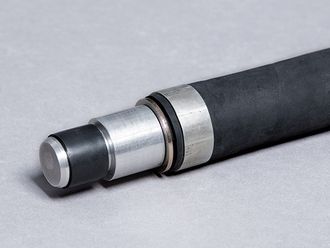
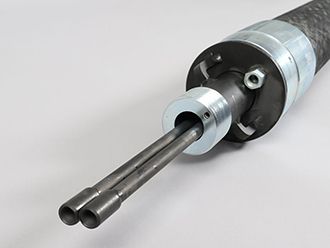
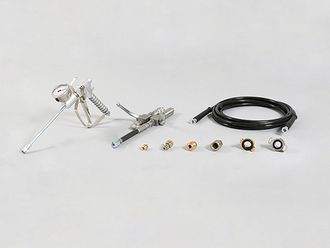
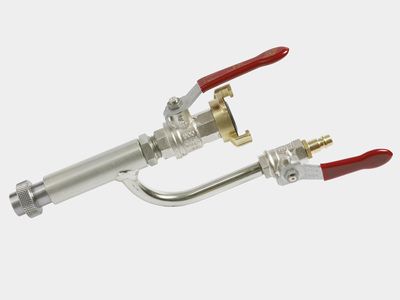
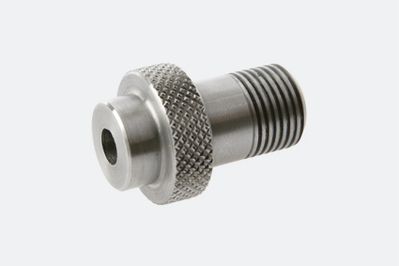
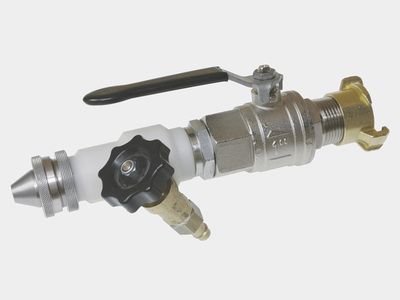
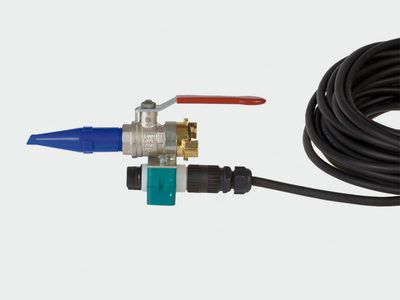
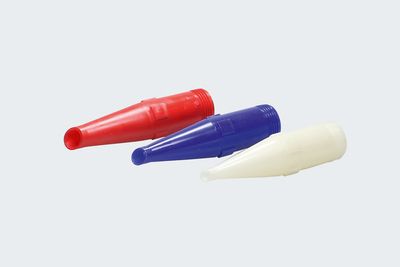
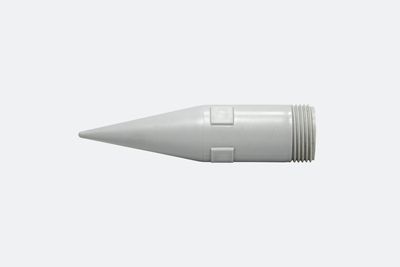
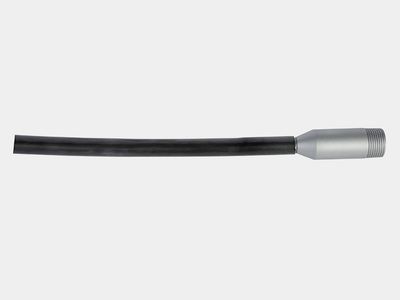
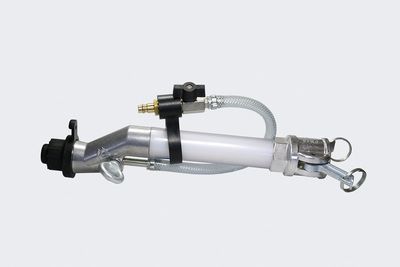
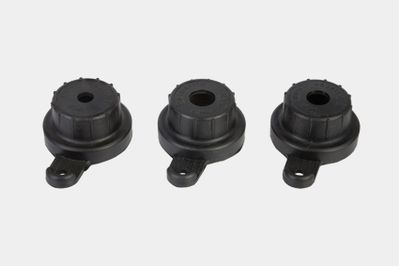
TÊTE DE TUYÈRE VARIO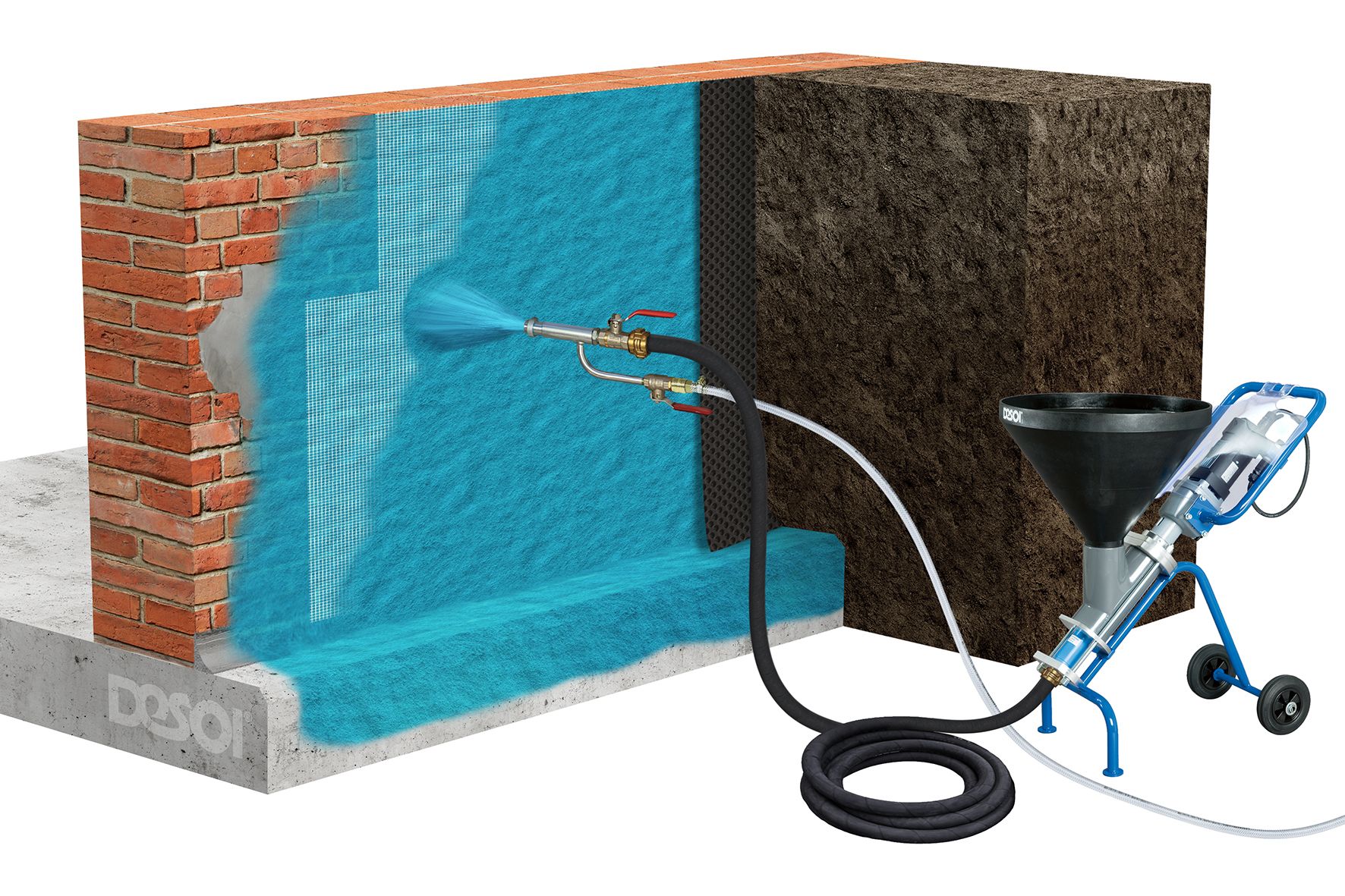
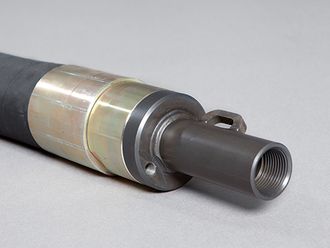
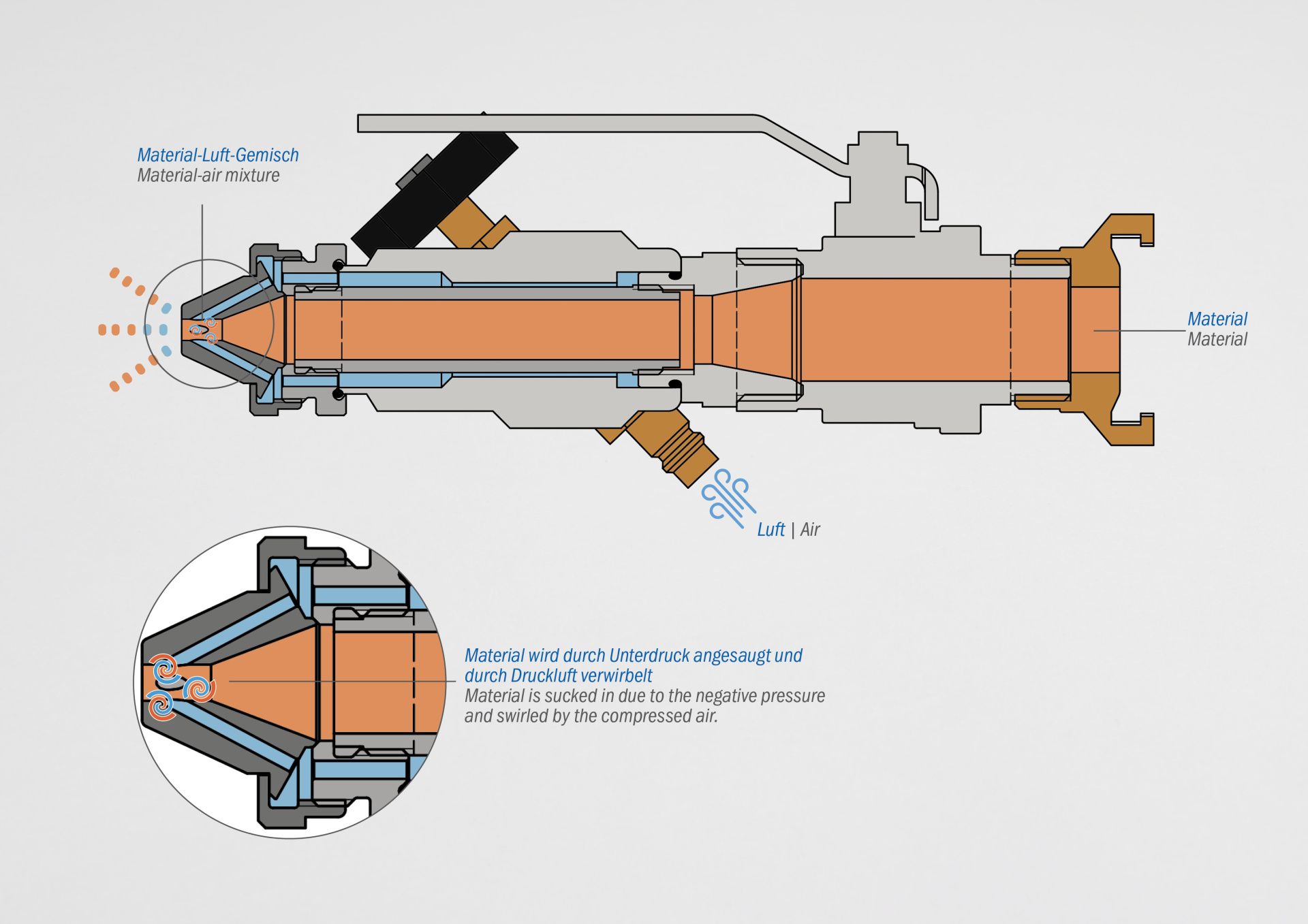
LANCE-PULVÉRISATEUR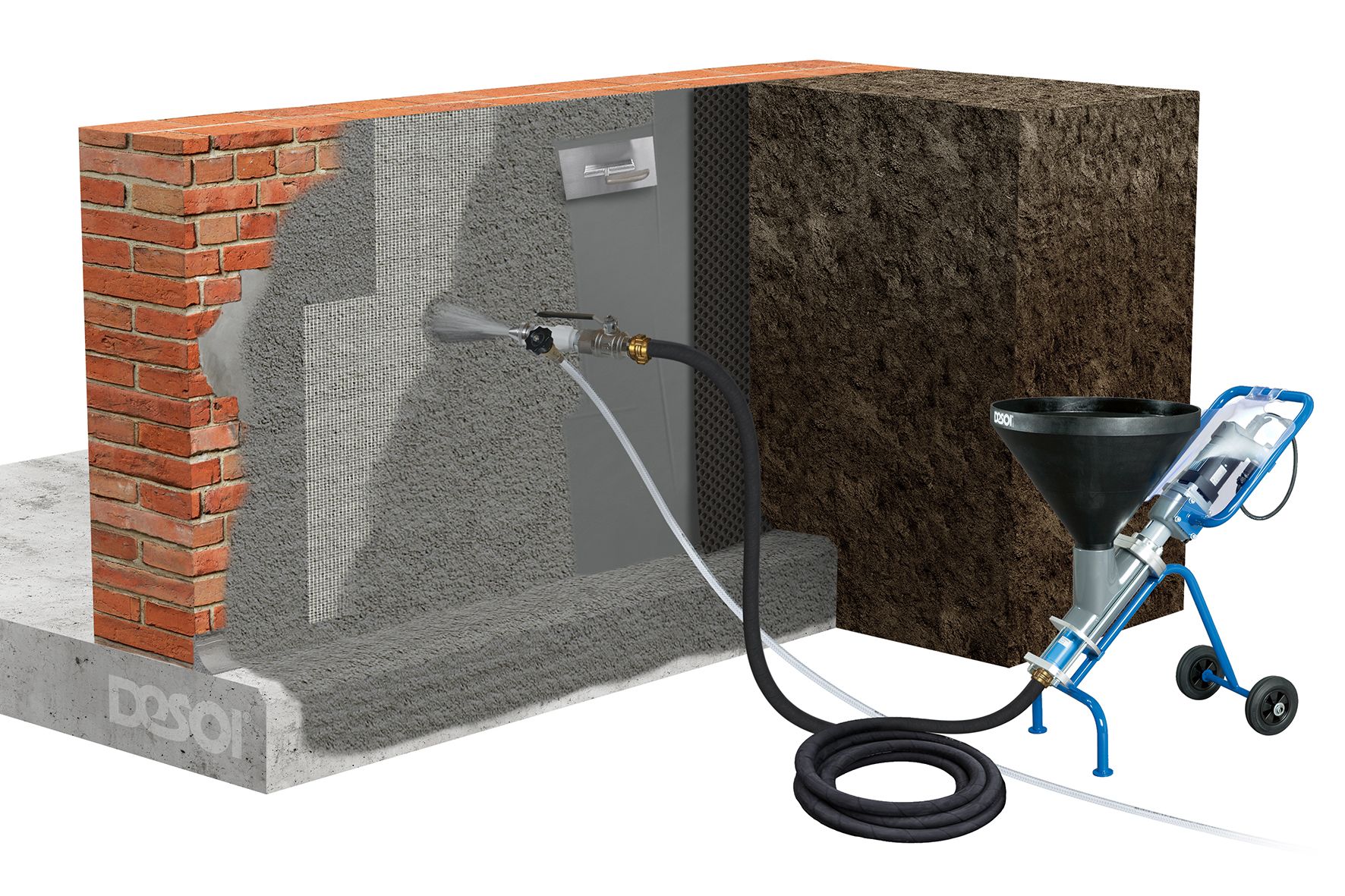
Protection and durability
for buildings
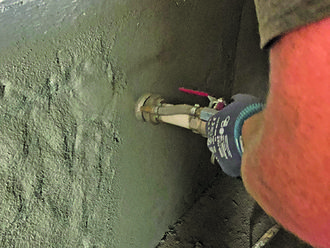
Moisture can cause considerable damage to buildings. Components in contact with the ground are constantly exposed to ground moisture, rainwater, and chemical influences. If water penetrates the masonry, this can lead to long-term structural damage, mould mould formation or a reduction in the quality of living. To prevent this, exterior walls are often sealed with sealing slurries or sprayed mortar. This creates a waterproof, mineral layer that seals the pores and capillaries in the masonry. There are two methods of application: classic brushing or machine spraying.
The spraying method offers
several practical advantages
- Uniform layer thickness even on large surfaces
- Secure sealing at corners, edges, and uneven surfaces
- Time-efficient processing, as large wall surfaces can be coated more quickly
- Reduced material loss, as the slurry is applied directly to the substrate
Application
- External basement walls (cellars)
- Foundations / base plates
- Terraces and balconies
- Tunnelling
- Bridge contructions
- Facades
- Restoration of old buidlings
Advantages
- Seamless sealing
- High flexability
- Crack-bridging - flexible coatings can compensate movements of the building
- Durable and weather-proof
- Subsequent sealing is possible
PROCEDURE
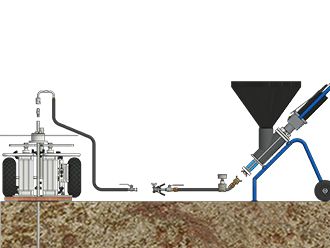
Screw pump DESOI PowerInject SP20 conveys the material (sealing slurry) to the spray nozzle head / spray lance in a controlled manner. The controlled conveying ensures the even distribution of the material on the surface to be protected and thus a reliable sealing. Compared to traditional sealing methods such as bitumen membranes or sealing foils, the spraying method offers a time- and material-efficient solution, especially for complex geometries such as corners, such as corners, edges, and uneven surfaces.The combination of equipment and method allows a professional and efficient application protecting the structural element durably against humidity. Optionally, the required material can be delivered depending to the need.